
Wandering down the grocery store aisles without a plan is a fast track to an empty wallet and a cart full of expensive, disjointed ingredients. When dinnertime arrives and nothing is thawed, ordering takeout feels like the only option, draining your hard-earned cash one delivery fee at a time.
Food is consistently one of the most flexible categories in any monthly budget. Yet, poor planning turns grocery shopping into an expensive guessing game filled with food waste and impulse purchases.
This guide provides a practical, step-by-step roadmap to meal planning that slashes your grocery bill in half without forcing you to eat bland, repetitive meals.
The Cost of Winging It
Without a meal plan, your brain defaults to convenience. You visit the supermarket four times a week, buy items based on immediate cravings rather than nutritional needs, and throw away spoiled produce at the bottom of your crisper drawer.
Supermarkets are meticulously designed to separate you from your money. Enticing end-caps, eye-level product placements, and impulse snacks near the checkout line exploit decision fatigue.
When you walk in with a locked-in meal plan and a strict shopping list, you become immune to these marketing traps. You buy only what you need, cook with intention, and watch your weekly food expenses plummet.
Comparing Chaotic Shopping to Intentional Meal Planning
To understand how meal planning transforms your finances, let us look at the operational difference between winging your meals and planning strategically.
| Approach | Grocery Spending | Food Waste | Dinnertime Stress |
| The Chaotic Shopper | High ($180+/week) due to frequent trips and impulse buys. | Very high (20% to 30% of groceries thrown away). | Constant anxiety (“What on earth are we eating tonight?”). |
| The Intentional Planner | Low ($80 to $90/week) by buying in bulk and using pantry staples. | Minimal (ingredients are cross-utilized across meals). | Zero stress (dinner is already mapped out and prepped). |
Shifting from chaos to intentionality is not about restriction; it is about organization. At Budget Tips Hub, we always emphasize that mastering your kitchen is the most effective way to free up cash for your broader financial goals.
A Real-Life Scenario: How Jessica Cut Her Food Bill in Half
Meet Jessica, a busy marketing professional who was spending over $700 a month on groceries and frequent takeout dinners. She felt like her food budget was completely out of control.
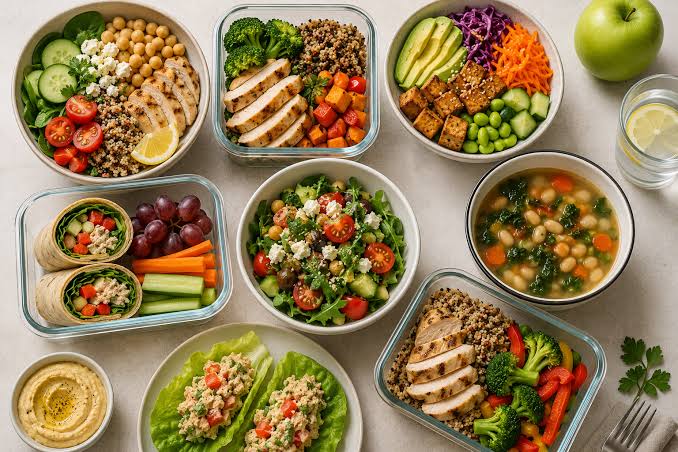
Jessica decided to test a simple batch-cooking and meal-planning system for 30 days. Instead of buying ingredients for seven completely different recipes, she built her weekly menu around cross-utilizable ingredients. For example, she roasted a large tray of chicken thighs and sweet potatoes on Sunday, using them for Monday night dinners, Tuesday lunch bowls, and Wednesday wraps.
By shopping strictly from her list and utilizing pantry staples she already owned, Jessica slashed her grocery spending to $350 for the month. Best of all, because she incorporated flavorful spices and diverse sauces, the food tasted gourmet rather than boring.
Step-by-Step Guide to Foolproof Meal Planning
If you want to cut your grocery bill without sacrificing flavor or variety, follow this straightforward framework:
- Audit Your Kitchen First: Before looking at recipes, check your refrigerator, freezer, and pantry. Build your upcoming meal plan around proteins and vegetables you already own to prevent them from spoiling.
- Pick 3 Core Dinners and Double Up: Do not try to cook seven unique recipes every week. Choose three versatile dinners and cook double portions so you automatically cover your lunches or quick weeknight leftovers.
- Theme Your Nights: Simplify decision fatigue by assigning themes to your weekdays, such as “Taco Tuesday,” “Sheet Pan Thursday,” or “Pantry Pasta Friday.”
- Shop With a Bulletproof List: Organize your shopping list strictly by grocery store sections (produce, dairy, aisles). Once you put an item in your cart, check it off and never wander down unlisted aisles.
- Prep Immediately: When you get home from the store, spend 20 minutes washing produce, chopping vegetables, or portioning proteins. Prepped food gets eaten; unwashed produce rots.
Keeping Variety Alive on a Budget
Eating healthy and cheap does not mean chewing on plain rice and steamed broccoli every night. The secret to exciting, low-cost meals lies in your spice rack and sauce rotation.
Keep foundational, budget-friendly bulk items on hand—such as rice, beans, canned tomatoes, eggs, and frozen vegetables. Transform them completely by varying your flavor profiles using garlic, soy sauce, hot sauce, cumin, or citrus.
When you master the art of seasoning, simple whole foods transform into restaurant-quality dishes that keep your taste buds happy and your wallet thick.
Reclaiming Your Kitchen and Your Cash
Mastering meal planning takes away the daily mental friction of wondering what to eat while keeping your finances firmly on track. It turns a chore into a creative routine that protects your savings.
Taking control of your food expenses builds immense financial discipline and confidence. Visit Budget Tips Hub regularly to discover more smart living guides, budgeting frameworks, and debt-reduction strategies tailored to your lifestyle.
Disclaimer: This content is for educational purposes only and does not constitute professional financial advice. Always evaluate your personal nutritional needs and household budget before making major shopping changes.