
Watching your grocery bill double while your paycheck stays exactly the same makes traditional financial advice feel completely out of touch. If the classic 50/30/20 budgeting rule is stressing you out because your basic living costs are swallowing your entire income, you need an inflation-adjusted strategy that actually works in today’s economy.
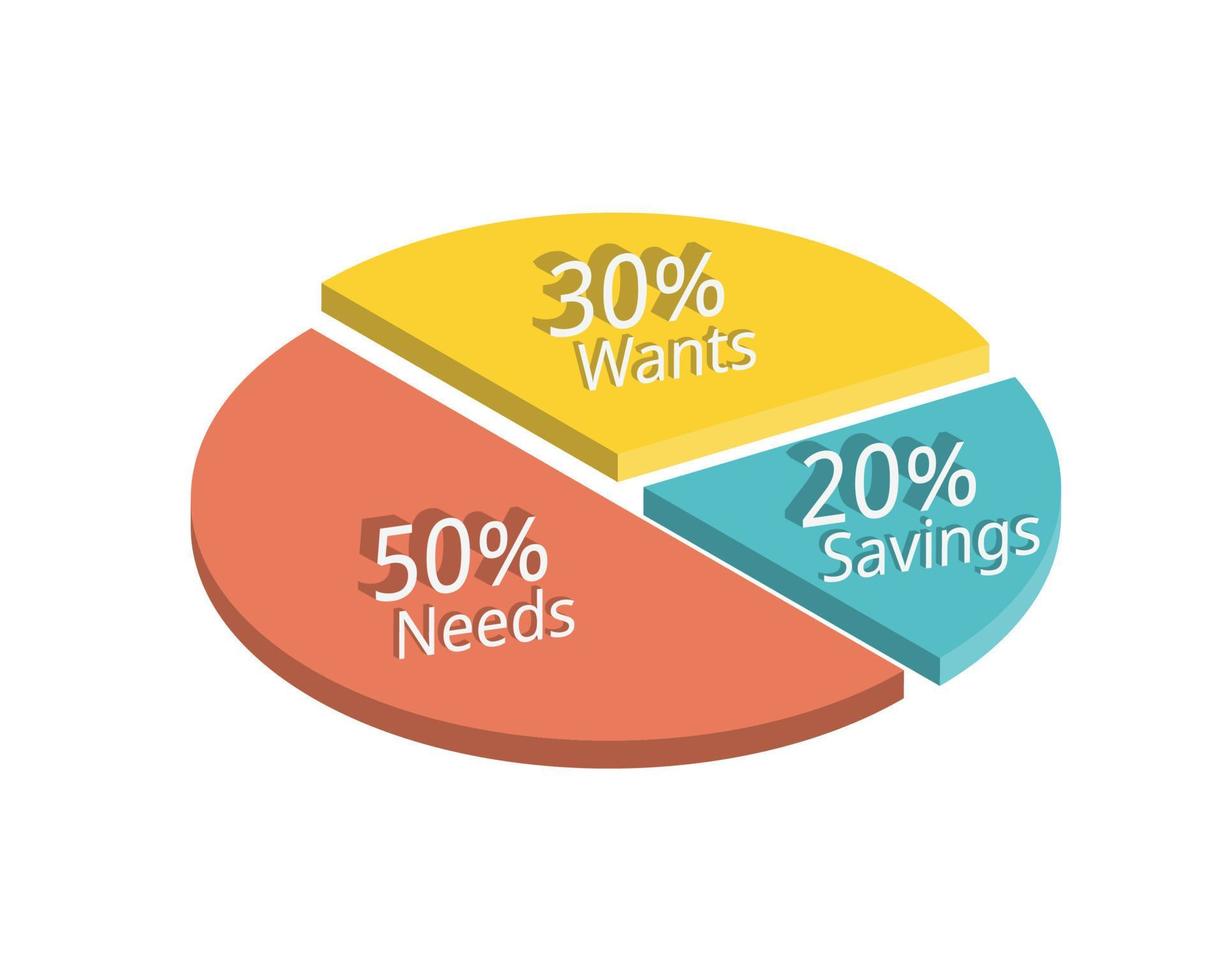
The original 50/30/20 rule is a staple of our Budgeting Basics philosophy. It dictates that 50% of your after-tax income goes to needs, 30% to wants, and 20% to savings or debt payoff. Decades ago, keeping your rent, utilities, and groceries under half of your take-home pay was a reasonable goal.
Today, that target is mathematically impossible for millions of hardworking people. When inflation drives up the cost of eggs, fuel, and housing faster than wage growth, you cannot simply budget harder. You have to change the rules of the game to protect your financial mental health and keep moving forward.
Why the Classic Rule Breaks During Inflation
The 50/30/20 framework was popularized in the mid-2000s. Back then, housing costs and grocery prices took up a much smaller percentage of the average worker’s paycheck.
When inflation spikes, it disproportionately affects the “Needs” category. Your rent goes up. Your utility providers hike their rates. The absolute bare minimum cost to keep a roof over your head and food on the table skyrockets, instantly blowing past that 50% barrier.
If you are currently spending 65% of your income just to survive, trying to force your finances into a 50% box will only lead to frustration. You will end up putting essential groceries on a credit card just to pretend you are hitting your savings goals. We need a more practical approach.
Introducing the Inflation-Adjusted 60/20/20 Split
When prices surge, you must temporarily sacrifice your lifestyle to protect your basic survival and your future wealth. The most realistic adjustment for a high-inflation environment is shifting to a 60/20/20 or even a 70/10/20 model.
In the 60/20/20 model, you allow your “Needs” to expand to 60% of your take-home pay to accommodate rising grocery and housing costs. You keep your “Savings and Debt Payoff” at 20% because stopping your financial progress is dangerous. The sacrifice comes entirely from the “Wants” category, which drops to 20%.
If inflation has hit your area extremely hard, you might need to adopt a 70/15/15 split. The exact numbers matter less than the intentional reallocation of your money. The goal is to acknowledge the reality of rising prices without accidentally defunding your emergency savings.
Case Study: Mark’s Budget Shift in a High-Cost Economy
Let’s look at exactly how this structural shift works. Mark brings home $4,000 a month after taxes. Over the last two years, his rent increased by $200, and his monthly grocery bill jumped by $150.
Under the strict old rules, Mark was failing. Let’s see how he reorganized his money using an inflation-adjusted 65/15/20 framework to regain control of his cash flow.
| Budget Category | Traditional 50/30/20 Target | Mark’s Actual Reality | The Adjusted 65/20/15 Fix |
| Needs (Housing, Food, Bills) | $2,000 (Unrealistic for him) | $2,600 (Current cost of survival) | $2,600 (65%) – Adjusted to reality |
| Wants (Dining out, Hobbies) | $1,200 | $1,200 (Causing him to go into debt) | $600 (15%) – Slashed to fund needs |
| Savings & Debt Payoff | $800 | $200 (Whatever was left over) | $800 (20%) – Restored and protected |
By formally shifting his budget to a 65/20/15 model, Mark stopped feeling guilty about his $2,600 baseline expenses. He aggressively cut his discretionary spending down to $600. Most importantly, he successfully protected his $800 savings and debt payoff goal, ensuring inflation did not steal his long-term financial security.
How to Ruthlessly Audit Your “Needs”
Before you expand your needs category to 60% or 70%, you must brutally audit what you classify as a need. Inflation is often used as an excuse to justify lifestyle creep.
A need is something required for your physical survival or to maintain your employment. Shelter, basic utilities, minimum debt payments, and essential groceries are needs. A new car lease, unlimited data plans, and premium organic groceries are wants disguised as needs.
Take these steps to audit your baseline today:
-
Downgrade your grocery haul: Swap name brands for store brands. Plan meals around cheaper staples like rice, beans, and seasonal vegetables rather than premium meats.
-
Negotiate fixed bills: Call your internet and insurance providers. Ask for the retention department and request a lower rate. If they refuse, shop around immediately.
-
Cut the convenience: Food delivery apps and subscription boxes are the first things that must go when your needs category is under pressure.
Slashing the “Wants” Category Without Total Deprivation
When you reduce your wants category from 30% down to 15% or 20%, you will feel the pinch. The key to surviving this budget cut is focusing on free or low-cost friction-free entertainment.
You do not have to sit in an empty room staring at the wall, but you do have to stop throwing money at casual boredom. Cancel every streaming service except for one. Rotate that single subscription every month if you want variety.
Replace expensive Friday night dinners with at-home potlucks with friends. Utilize your local library for books, movies, and community events. At budgettipshub.com, we constantly remind our readers that a period of extreme frugality is temporary; it is the price you pay to weather an economic storm without sinking into consumer debt.
Protect Your Savings Rate at All Costs
When bills pile up, the easiest thing to do is pause your retirement contributions or stop funding your emergency account. Do everything in your power to avoid this trap.
Inflation destroys the purchasing power of your cash, making a robust emergency fund more critical than ever. If your car breaks down today, the parts and labor will cost significantly more than they did three years ago. You need a larger cash buffer just to maintain the same level of safety.
Automate your 20% savings category. Set up your direct deposit so that 20% of your paycheck routes immediately to a high-yield savings account or your investment portfolio before you ever see it. You will quickly learn to adapt your lifestyle to the remaining 80%.
What to Do When the Math Still Doesn’t Work
Sometimes, you can cut your budget down to the absolute bone, eliminate every want, and still not have enough to cover the inflated cost of your needs. If your needs consume 90% or 100% of your income, you no longer have a budgeting problem. You have an income crisis.
You cannot out-budget a severe income deficit. When you hit this wall, you must pivot your energy from tracking pennies to generating more dollars.
This might mean asking for a raise, changing employers, or picking up temporary weekend work. The modern economy often requires multiple income streams to build stability. Aggressively pursue higher-paying opportunities while maintaining your strict new baseline budget.
Grab your bank statements from the last thirty days and a calculator right now. Stop trying to force last decade’s financial rules onto this year’s prices. Calculate exactly what it costs you to survive today, assign a new realistic percentage to your needs, slash your discretionary spending, and immediately automate your savings. Adapting your strategy is the only way to beat inflation at its own game.
Disclaimer: The information provided in this article is for educational and informational purposes only. It does not constitute financial, tax, or legal advice. Please consult with a certified financial planner regarding your specific business and personal financial situation.
Official Sources & References
-
U.S. Bureau of Labor Statistics (Consumer Price Index): https://www.bls.gov/cpi/
-
Federal Reserve Economic Data (Inflation Tracking): https://fred.stlouisfed.org/categories/9
-
FDIC (Strategies for Building Wealth & Savings): https://www.fdic.gov/resources/consumers/money-smart/